F1 Las Vegas Betting: What Max Verstappen’s Win Means for US Bettors
 Lara Johns • Nov 25, 2026

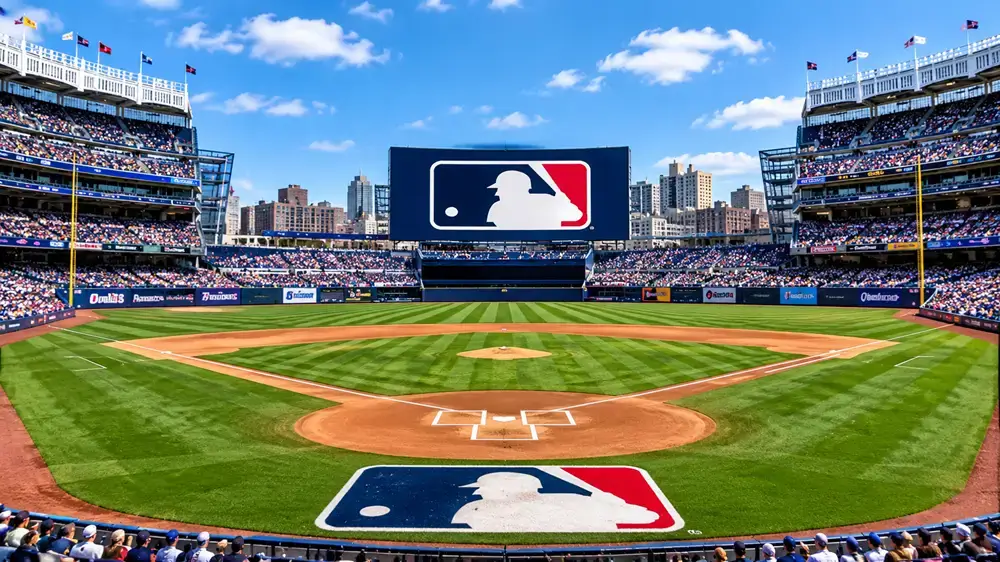
The fight over a possible MLB lockout 2026 reached federal court Wednesday when MLB sued its players’ union. The league wants a judge to declare a lockout legal once the labor deal expires on Dec. 1. Behind the lawsuit sits one issue: owners want a hard MLB salary cap, and players refuse one.
Fact checked by Dave Cooper
Editorial Statement: At CasinoUS, we independently review and select the online casinos featured on our site. We assess each operator using consistent criteria covering licensing, security, payments, payouts, bonuses, games, customer support and responsible gambling.
We may earn commissions when readers use certain affiliate links. However, commercial relationships do not determine which casinos we feature or how we evaluate them. We highlight both strengths and limitations so that US players can make more informed decisions.
No lockout has started yet. A long one could push back spring training and the March 24, 2027 Opening Day. For players, teams, fans and sportsbooks, the next week decides whether baseball’s offseason keeps moving or freezes.
MLB filed the suit to protect a lockout it expects to start next week. The league and its 30 team ownership groups filed a 38-page complaint in Manhattan federal court, the Associated Press reports. It names the MLB Players Association (MLBPA) and the eight players on its executive subcommittee, including Mets ace Tarik Skubal.
The league wants a declaratory judgment, a court ruling on what the law says before a dispute plays out. Specifically, MLB asks the court to find that a lockout does not break antitrust law. It also wants a ruling that federal courts cannot block one, and that players be treated as one legal class.
The Major League Baseball lawsuit is a filing, not a ruling. No judge has decided anything, and the court may decline to hear the case now.
The lawsuit targets a move the union has not made. MLB believes the MLBPA could “disclaim,” meaning it gives up its role as the players’ bargaining representative. Without a union, players could sue under antitrust law, where proven losses can be tripled, Front Office Sports reports.
MLB’s complaint says it wants to “proactively disarm the union’s nuclear option of disclaiming.” League spokesman Glen Caplin called the filing “a defensive measure” to keep both sides bargaining.
The union hit back fast. “The lawsuit filed today by MLB is completely frivolous,” interim executive director Bruce Meyer said. He added that running to court mid-negotiation was “incredibly disappointing.”
Timing explains the rush. Industry sources told Front Office Sports that a March decertification fight would end any hope of a full 2027 season. Even so, WilmerHale antitrust partner David Gringer called the suit a negotiating tactic. Gringer, who is not involved, doubts a court will hear it yet.
The MLB labor dispute centers on a new MLB collective bargaining agreement (CBA). That contract sets pay rules, free agency, the draft and working conditions for every major league player. The current five-year deal expires at 11:59 p.m. ET on Tuesday, Dec. 1.
Owners want to rebuild baseball’s economics around a salary cap and floor. They also seek changes to the draft and the reserve system, which controls how long teams hold a player’s rights. Sessions on Nov. 20, 23 and 24 produced some movement. Still, the cap gap stayed wide when talks paused for Thanksgiving.
Owners say a cap and floor would make spending fairer across all 30 teams. MLB proposes keeping the current system for 2027 and starting the new one in 2028, ESPN reports. The key numbers are:
Commissioner Rob Manfred has drawn a firm line. He says owners will compromise elsewhere but not on a cap and floor, which he claims most fans want. He also says he can’t imagine owners ratifying a deal without one.
MLB argues the system would also let teams share local media money equally and end local TV blackouts. On Nov. 24, the league dropped its escrow plan, which would have held back part of player salaries. Caplin says every guaranteed contract would stay fully guaranteed. These are MLB’s stated positions, and the union disputes how owners define revenue.
The MLB players union calls a salary cap a “nonstarter,” and its position has not moved. Meyer says the plan would sharply cut pay for every group of players and weaken guaranteed contracts. He also argues owners want the cap to raise profits and franchise values.
The union says the 50% figure leaves out roughly $400 million in amateur signing bonuses. By its count, total player pay would drop straight away. Meyer called the revised escrow idea the same goal in a new form, saying the plan “pits player against player.”
History shapes this baseball lockout standoff too. When owners last proposed a cap in 1994, players struck for more than seven months. That stoppage cancelled the World Series for the first time in 90 years.
The MLB lockout 2026 could start as soon as the CBA expires at the end of Dec. 1. In a lockout, owners shut players out until a new deal is signed. A strike is the reverse, when players refuse to work.
The AP, ESPN and Front Office Sports all report that owners are expected to act right away. Still, nothing is confirmed. Manfred says owners will decide “at the last possible moment.”
If it happens, clubs cannot contact players on 40-man rosters, and trades and major league signings freeze. It would be baseball’s 10th work stoppage since 1972. The last lockout, starting in December 2021, ran 99 days.
Nobody can say yet, and any firm prediction is guesswork. Opening Day is set for March 24, 2027, the earliest traditional start in league history, Front Office Sports reported. That tight calendar leaves the MLB 2027 season less room for a long shutdown.
Here are the realistic paths from here:
In 2022, the lockout delayed Opening Day, yet MLB rescheduled and still played all 162 games. This time, ESPN reports, the cap fight has many in the sport fearing a longer stoppage.
A lockout hits baseball’s business side before it touches a game. Teams are already racing the deadline, led by Skubal’s nine-year, $450 million Mets deal, a record for pitchers. ESPN also reports big signings for the Cubs (Teruaki Sato, $120 million) and Orioles (Freddy Peralta, $125 million).
Once a lockout starts, that market stops. Teams must then plan rosters without knowing when talks resume. Fans with spring training trips or Opening Day tickets, along with broadcasters and sponsors, face the same calendar doubt.
Labor uncertainty feeds straight into MLB sportsbook betting markets, because books price futures months ahead. A futures bet is a wager on a season-long result, such as the World Series winner. The most exposed markets are:
Each sportsbook sets its own house rules for shortened or canceled seasons. Depending on those rules, books may adjust, suspend or void certain markets. If you bet MLB futures, read the settlement rules first, because your money can stay tied up for months.
Our baseball betting guide explains how MLB futures and props work. Set a dollar limit before betting on any uncertain outcome, and call 1-800-GAMBLER if betting stops being fun. You must be 21 or older in most US states.
The next seven days of MLB labor negotiations carry the biggest decisions of the offseason. Watch for:
The MLB lockout 2026 fight is now in court, but no judge has ruled and no lockout has begun. Owners insist on a cap and floor, and players reject both. CasinoUS will update this story as the Dec. 1 deadline approaches.
Not yet, but one is widely expected. The current CBA expires at 11:59 p.m. ET on Dec. 1, 2026, and the AP, ESPN and Front Office Sports report owners plan to lock players out right away. Commissioner Rob Manfred says the final decision will come at the last possible moment, so a late deal remains possible.
MLB wants a federal court to declare its planned lockout legal under antitrust law. The league fears the MLBPA will give up its union status so players can file antitrust lawsuits. The union calls the suit “completely frivolous.” No judge has ruled, and the court may not take the case yet.
Yes. MLB has proposed a hard cap of $258.2 million and a floor of $180.2 million starting in 2028, with the current system kept for 2027. Manfred says owners will not ratify a deal without a cap and floor. The players’ union rejects any cap.
It depends on how long a lockout lasts. A deal by January would likely keep spring training and the March 24, 2027 Opening Day on schedule. A lockout running into March could delay camps and cost games. No delay or cancellation has been announced, so any prediction remains speculation for now.
Sportsbooks may adjust, suspend or void some markets, depending on each operator’s house rules. Futures, team win totals, award markets and season-long player props carry the most risk if games are lost. Check settlement rules before placing any MLB futures bet, and only stake money you can afford to lose.
 Lara Johns • 10 min
read

 Alex Harper • 10 min
read
 Alex Harper • 10 min
read
 Lara Johns • Nov 25, 2026
 Lara Johns • Nov 24, 2026
 Alex Harper • Nov 24, 2026
 Alex Harper • Nov 24, 2026