SportsGrid Sale: Why the Betting Network Wants a Buyer
 Alex Harper • Oct 15, 2026

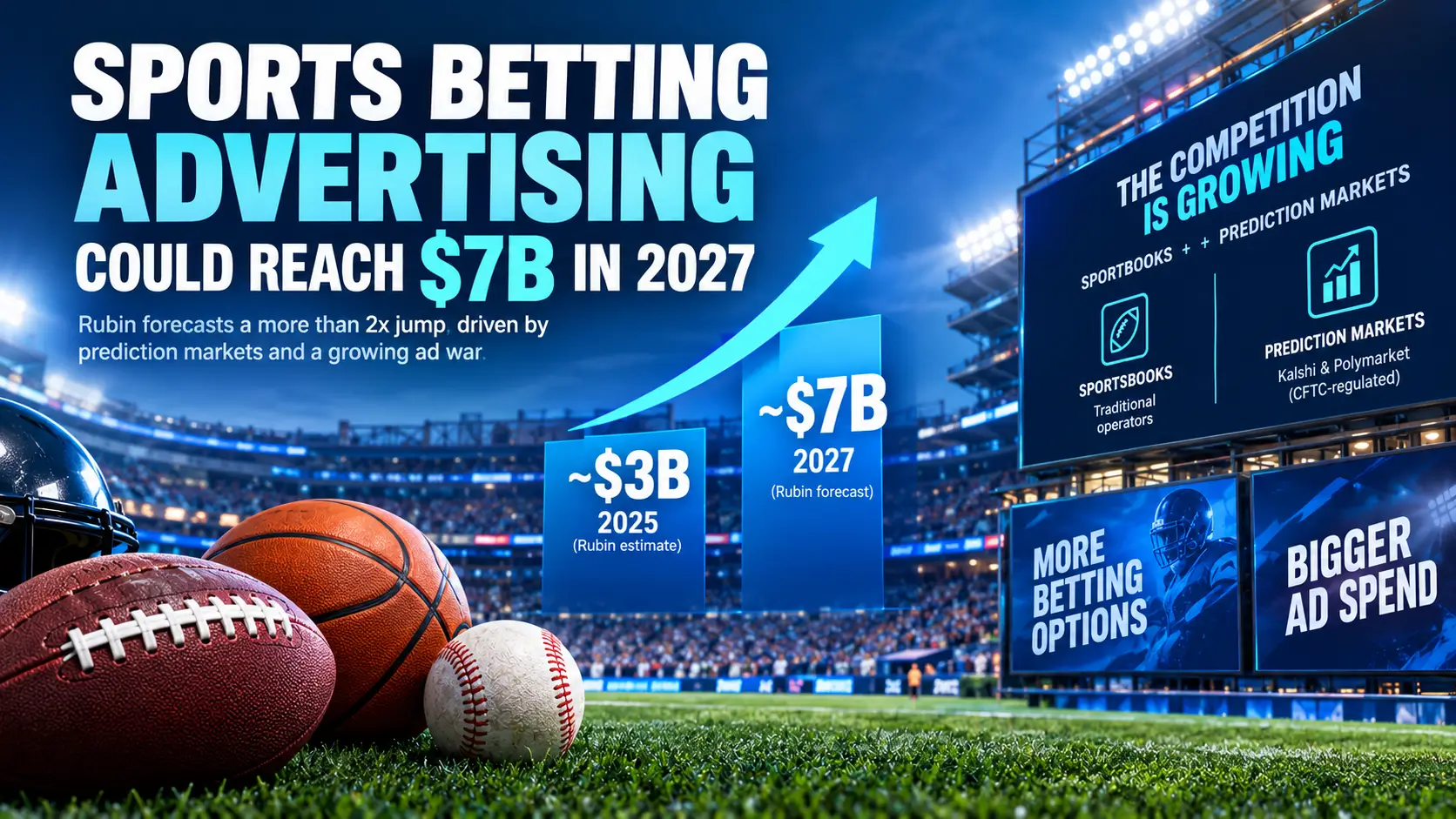
Sports betting advertising in the US could cost operators $7 billion in 2027, says Fanatics boss Michael Rubin. On CNBC, he put last year’s total at roughly $3 billion across US betting and gaming. If he’s right, the industry’s ad bill will more than double in two years.
Fact checked by Dave Cooper
Editorial Statement: At CasinoUS, we independently review and select the online casinos featured on our site. We assess each operator using consistent criteria covering licensing, security, payments, payouts, bonuses, games, customer support and responsible gambling.
We may earn commissions when readers use certain affiliate links. However, commercial relationships do not determine which casinos we feature or how we evaluate them. We highlight both strengths and limitations so that US players can make more informed decisions.
Rubin links the jump to a new set of rivals: prediction markets. For bettors, a bigger ad war means louder promos, closer regulator attention and more reasons to compare offers.
Rubin’s figures point to a fast-rising industry marketing bill.
| Figure | Amount | Context |
| Industry marketing spend, 2025 | About $3 billion | Rubin’s estimate on CNBC |
| Industry marketing spend, 2027 | About $7 billion | Covers all sportsbook marketing, not just TV ads |
| Fanatics marketing, 2026 | About $350 million | Company figure shared with Bloomberg |
| Fanatics marketing, 2027 | Up to $1 billion | Nearly triple its current budget |
For scale, Fanatics’ $1 billion ad plan would cover about 14% of Rubin’s industry total. All four numbers come from interviews, not audited filings.
Rubin sees prediction markets as the main driver behind rising sports betting advertising. Users buy contracts that pay $1 if an event happens and nothing if it doesn’t.
Operators say the CFTC, which oversees futures trading across the US, regulates them, not the states. On that basis, they run without state sports betting licenses. Several states are challenging that view in court.
That lets them reach users in California, Texas and Georgia, where legal sportsbooks still can’t operate. That reach puts them in a direct fight for the customers sportsbooks chase.
However, some big names are staying out. Notably, MGM walked away from launching prediction markets after a warning from Nevada regulators. Rules differ by product and by state, so US gambling laws decide what you can legally use.
Rubin describes the market as a five-way fight between three sportsbooks and two prediction market leaders.
| Competitor | Type | Edge in an ad war |
| DraftKings (NASDAQ: DKNG) | Public sportsbook, prediction product | Large, loyal user base |
| FanDuel (Flutter, NYSE: FLUT) | Public sportsbook, prediction product | Holds 75–80% of the US market with DraftKings |
| Fanatics | Private sportsbook and prediction platform | Apparel and collectibles units projected above $12.5 billion this year |
| Kalshi | Prediction market | Federal route into states without legal sportsbooks |
| Polymarket | Prediction market | Same federal route as Kalshi |
Fanatics’ private status matters here. Public rivals answer to investors every quarter whenever ad bills rise. In contrast, Fanatics can move merchandise profits into betting without that pressure.
Customer acquisition cost (CAC) is the marketing bill divided by the number of new customers it brings in. When five well-funded brands all boost sports betting advertising, that cost climbs.
Simply Wall St flags this as the main test for DraftKings. If sign-ups get pricier but don’t wager more, profits shrink. Rubin expects the short term to be painful, though he’s still bullish on a 5–10 year view.
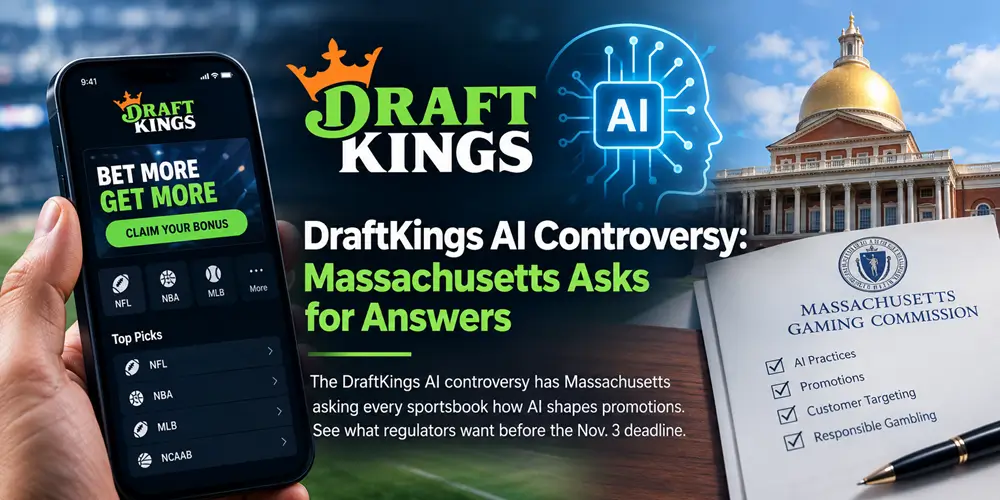
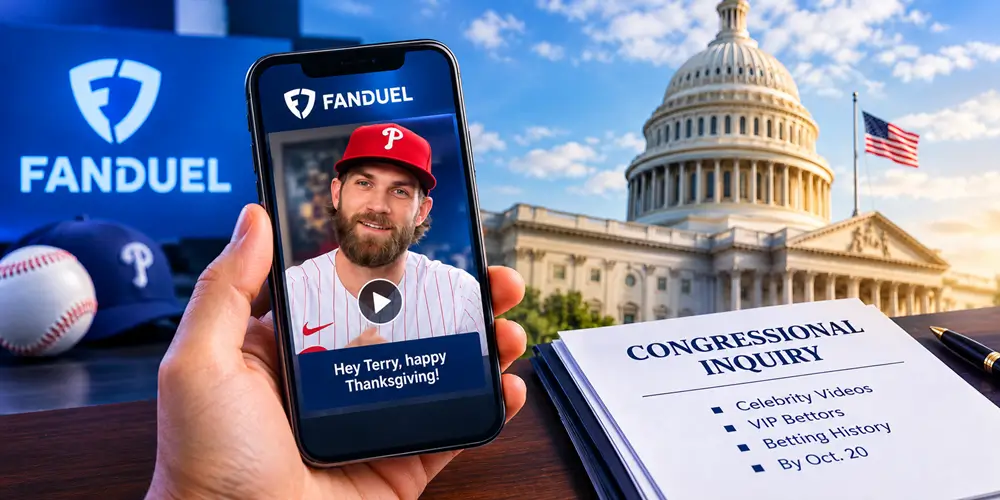
That said, regulators are watching promos closely. Massachusetts, for instance, has asked every licensed sportsbook about AI use in sportsbook promos. Similarly, lawmakers want the custom celebrity clips FanDuel sent to VIP bettors.
Expect the ad war to show up as richer welcome offers and more odds boosts. However, a louder ad doesn’t mean a better deal. Before you act on any betting ad, check these points:
Ads peak around big games, like NFL Sundays and the playoffs. Setting deposit limits and time-outs before kickoff keeps your budget under your control.
Rubin’s $7 billion figure is a forecast, not a confirmed industry budget. Still, 2027 looks set to bring more sports betting advertising and bigger offers than ever. Judge the best US sports betting sites on playthrough rules, odds and withdrawal speed, not ad budgets.
 Alex Harper • 10 min
read
 Lara Johns • 10 min
read
 Alex Harper • 10 min
read
 Alex Harper • Oct 15, 2026
 Alex Harper • Oct 14, 2026
 Alex Harper • Oct 14, 2026
 Lara Johns • Oct 13, 2026